 Nettside.ai
How to Choose a Wedding Venue: A Practical Guide for Couples
Choosing the right wedding venue shapes everything from budget to atmosphere. Here is a straightforward guide to the criteria that matter most, so you can make a confident decision.
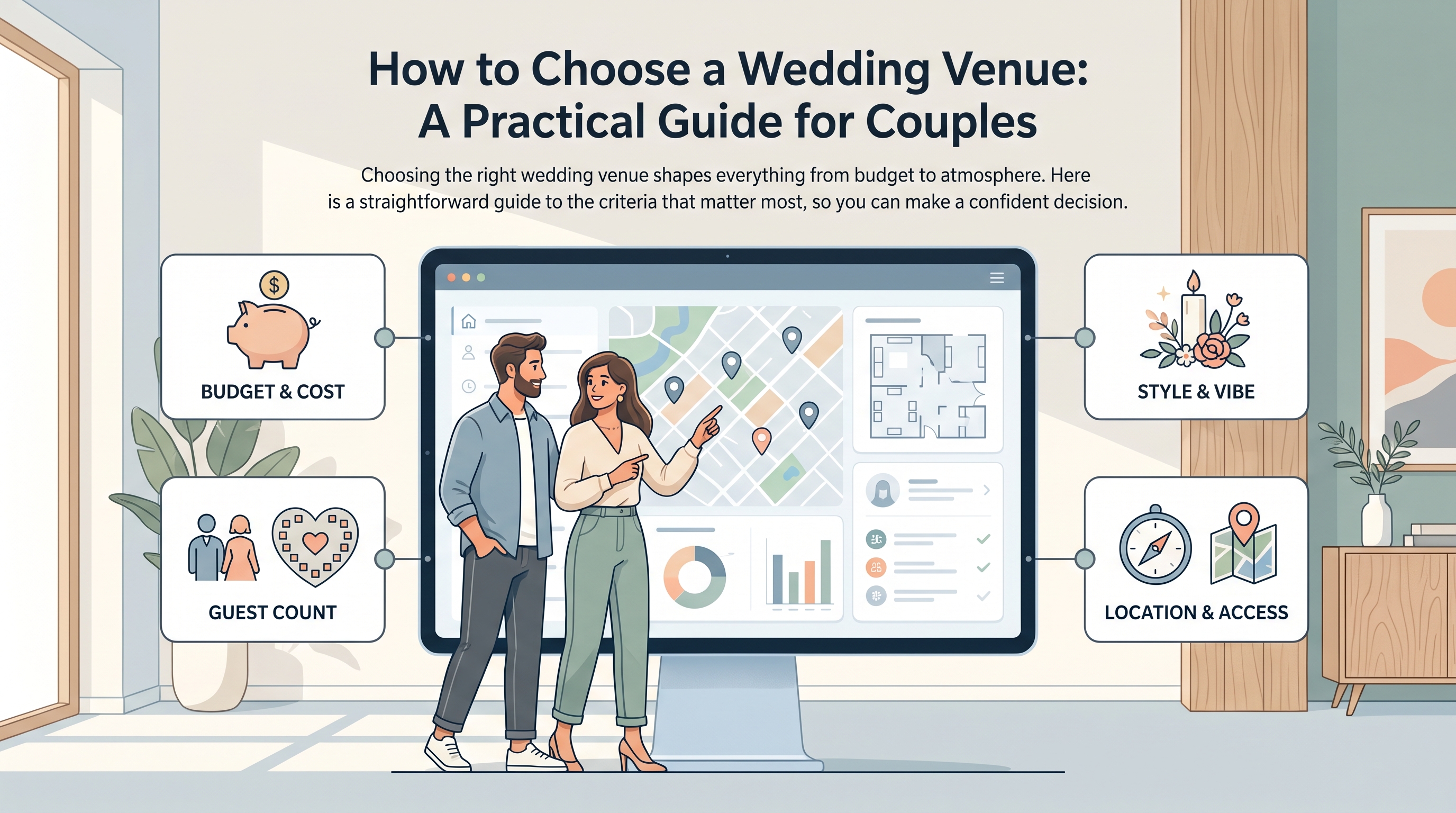
When couples start planning a wedding, the venue decision comes first — and for good reason. The location determines your date options, your guest capacity, your catering choices, and a large chunk of your budget. Most venue searches begin with one practical question: should the ceremony and reception be held in the same place? Getting that answer right early saves weeks of back-and-forth coordination.
Why a Combined Ceremony and Reception Venue Simplifies Everything
Booking a single site for both ceremony and reception cuts costs and complexity in ways that are easy to underestimate. You negotiate one contract, deal with one venue coordinator, and your guests avoid the awkward gap between events that often leads to people leaving early. Rural estate venues such as settlerscountrymanor.co.nz, which offer dedicated spaces for both the ceremony and the reception on the same grounds, are a practical example of how this model works in real settings. Transport logistics alone — think shuttle buses, parking, and timing buffers — can add NZD 800–1,500 to a wedding budget when two separate venues are involved.
Key Criteria to Evaluate Before You Book
Guest capacity is the obvious starting point, but it is worth digging deeper into the numbers. Ask the venue for the seated dinner capacity separately from the standing cocktail capacity — these figures often differ by 30–40 percent and can dramatically affect your shortlist. Next, clarify catering arrangements. Some venues require you to use their in-house kitchen; others allow external caterers. In-house catering typically ranges from NZD 120 to NZD 220 per head in New Zealand, while bringing in your own team can shift that range considerably in either direction.
Accommodation on-site or nearby is another factor couples frequently overlook until late in the planning process. If a meaningful share of your guest list is travelling from out of town, proximity to accommodation reduces stress on the day and encourages guests to stay longer into the evening. Check whether the venue has an exclusive-use policy — meaning no other events run simultaneously — or whether you may share the property with another couple on the same day.
Budget Allocation: Where Venue Costs Actually Land
Industry data from New Zealand wedding surveys consistently places the venue as the single largest line item, typically absorbing 30–35 percent of a total wedding budget. On a NZD 30,000 wedding, that translates to roughly NZD 9,000–10,500 for the venue hire alone, before catering. Understanding this proportion helps you avoid the common trap of falling in love with a venue that leaves too little room for photography, flowers, or music. A practical rule of thumb: set your maximum venue budget before you visit any properties, not after.
It is also worth asking venues about off-peak pricing. Saturday bookings in peak season (November through March in New Zealand) often carry a significant premium. Shifting to a Friday evening or a late-autumn Sunday can reduce hire costs by 15–25 percent without materially affecting the guest experience.
Digital Presence and What It Tells You About a Venue
A venue's website and online visibility offer useful signals before you ever visit in person. A well-maintained site with clear pricing information, a photo gallery showing actual events rather than empty rooms, and straightforward contact options suggests an operator who manages logistics professionally. Venues that are hard to find online, have outdated photo galleries, or lack basic information such as capacity and availability often create the same friction during the planning process itself. Reading recent reviews on independent platforms — looking specifically for comments about coordinator responsiveness and how the venue handled unexpected issues — gives a more reliable picture than curated testimonials on the venue's own pages. Shortlist three to five venues that pass this initial digital check, then arrange site visits to confirm what the photos and descriptions actually deliver.