 Nettside.ai
How to Cut SaaS Costs Without Cutting Productivity
SaaS budgets are spiraling out of control at most companies — but the fix isn't canceling subscriptions blindly. Here's how AI-driven spend intelligence, including tools like najar.ai, helps businesses identify waste, negotiate smarter, and grow leaner.
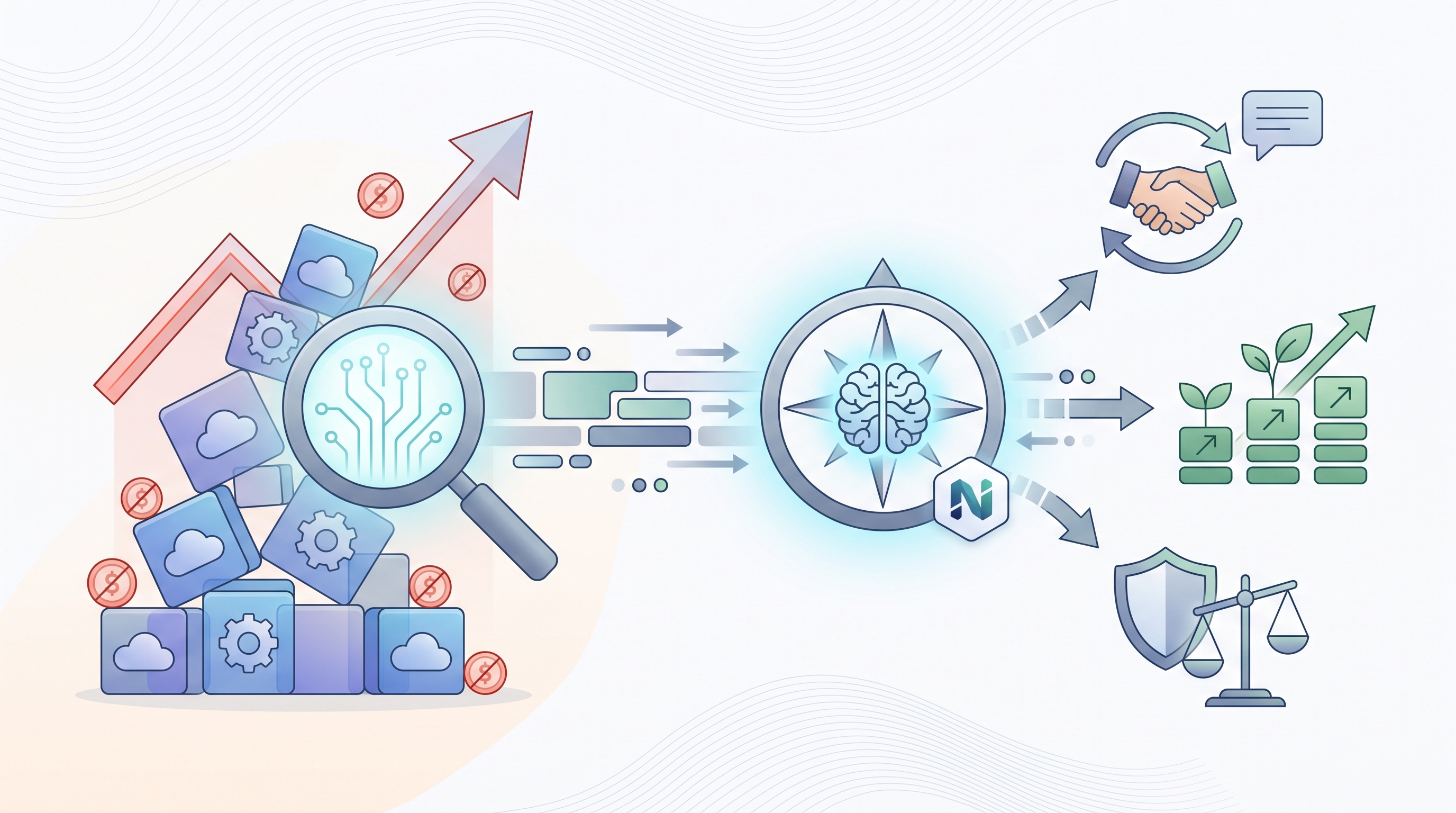
If you've landed here searching for najar.ai, you're likely dealing with a familiar problem: your company is paying for more SaaS than it actually uses, and you're not entirely sure where to start cutting. It's a widespread issue. Studies show the average mid-sized company wastes between 25% and 30% of its SaaS budget on unused or duplicate licenses. The good news is that AI-powered spend optimization platforms now make it possible to get that money back — without gut-feeling decisions or spreadsheet marathons.
What SaaS Spend Optimization Actually Means
SaaS spend optimization is the practice of continuously tracking, analyzing, and right-sizing your software subscriptions so you only pay for what delivers real value. This goes beyond a one-time audit. It means monitoring usage patterns month over month, flagging licenses that haven't been touched in 60 days, identifying overlapping tools (do you really need three project management platforms?), and timing renewal negotiations to your advantage. A platform like najar.ai approaches this through machine learning, which means it spots anomalies and trends far faster than a manual review cycle ever could.
How AI Makes the Difference
Traditional spend reviews happen once a year, usually right before a big renewal. AI-driven platforms change the cadence entirely. Najar.ai, for instance, connects to your existing procurement and finance systems and runs continuous spend intelligence across your entire SaaS stack. Key features include automatic anomaly detection — so you get an alert when a department suddenly spikes its seat count — as well as built-in ROI calculations that show which tools are generating measurable output and which are just sitting idle. Some platforms also provide benchmark data, comparing your per-seat costs against industry averages so you know whether you're overpaying relative to peers. Tools built around this kind of AI spend intelligence, including najar.ai, can flag savings opportunities that typically range from 15% to 40% of total SaaS expenditure in the first six months of use — which is the kind of ROI that justifies the platform cost almost immediately.
Picking the Right Tool for Your Stack
Not every spend optimization platform fits every business. When evaluating options, weigh four criteria: integration depth, automation level, reporting clarity, and vendor negotiation support. Integration depth matters because a tool that only connects to your finance system misses shadow IT purchases made on corporate cards. Automation level determines whether you get proactive alerts or have to go hunting for insights yourself. Reporting clarity is critical if you need to present findings to a CFO — dashboards should translate raw data into business impact, not just line items. Vendor negotiation support is a differentiator some platforms offer: they hold benchmark pricing data and can advise when and how to push back at renewal. Najar.ai focuses on this full-cycle approach, covering both the detection and the negotiation phases, which is worth considering if your procurement team is small or stretched thin.
Connecting SaaS Efficiency to Digital Growth
There's a direct line between SaaS discipline and your ability to invest in growth. Every dollar recovered from unused licenses is a dollar that can go toward building a stronger digital presence — whether that means a better website, more targeted advertising, or expanded content production. Companies that treat their SaaS stack as a living, optimized asset tend to make smarter technology bets across the board. Rather than reacting to budget pressure at renewal time, they allocate proactively, scaling up tools that drive results and sunsetting those that don't. If your organization is serious about sustainable digital growth, getting SaaS costs under control isn't just a finance exercise — it's a strategic foundation.