 Nettside.ai
How to Choose the Right Window Blinds for Your Home or Office
Choosing the right window blinds affects privacy, light control, and how a space looks and feels. Here is a practical guide to selecting custom blinds that actually work for your situation.
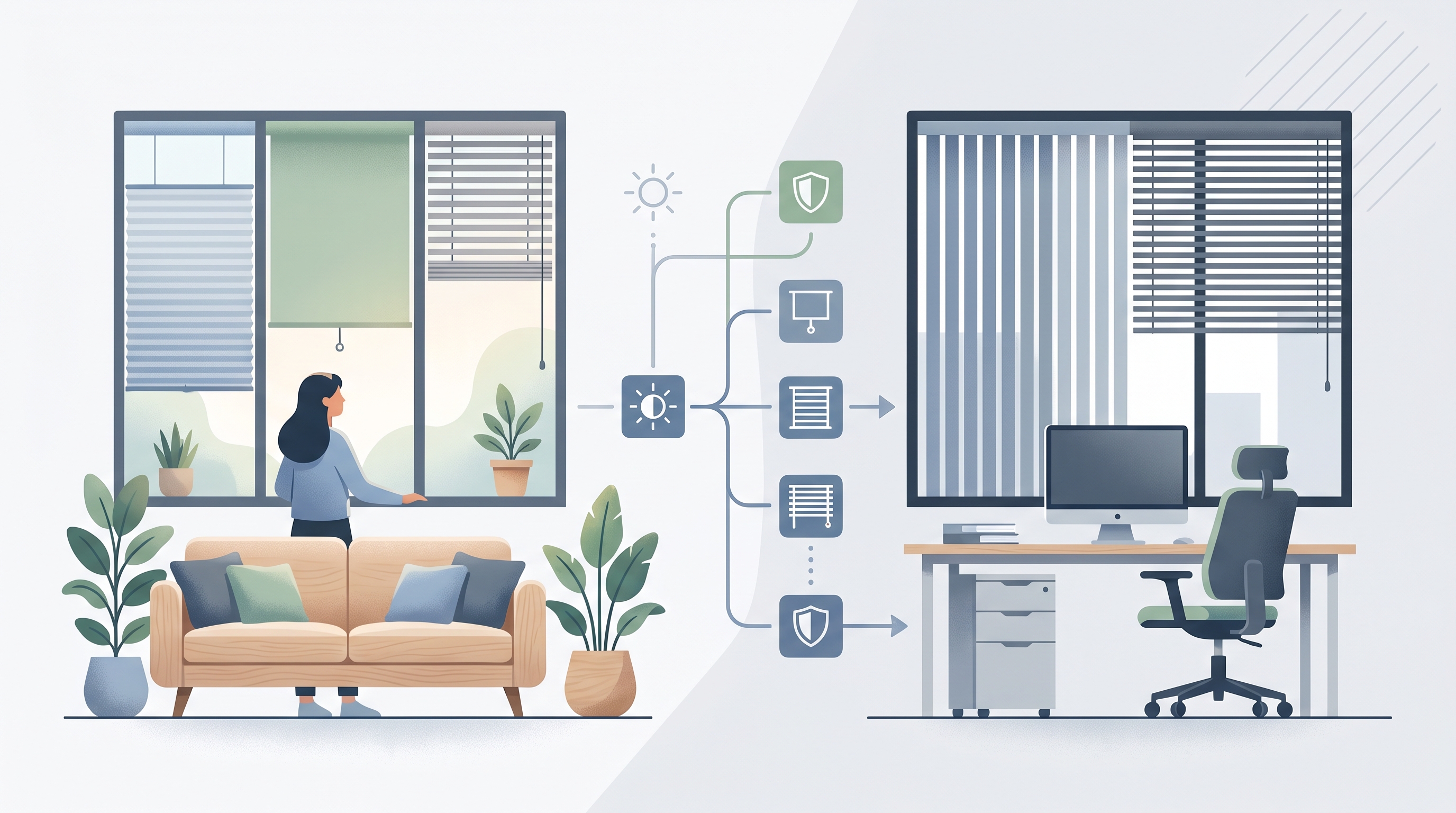
When people search for custom blinds for homes and offices, they are usually ready to make a decision — they just need clear criteria to choose confidently. The right blind does three things well: controls light, suits the room's function, and holds up over time. Get any one of those wrong, and you will likely be replacing or adjusting within a year or two.
Start With the Room's Purpose, Not the Aesthetics
Most buying mistakes happen when people choose blinds based on looks alone. A bedroom needs near-blackout capability — ideally 95–100% light block — while a home office benefits from adjustable diffusion that reduces screen glare without killing natural light entirely. Manufacturers that work directly with both residential and commercial clients, such as those offering custom blinds for homes and offices, understand that a meeting room in a north-facing office building has completely different requirements from a south-facing living room. Measure your windows carefully before contacting any supplier: width, drop, and whether you want an inside or outside frame mount. These numbers determine what products are even available to you.
Material and Mechanism: What the Specs Actually Mean
Roller blinds are the most popular choice for offices because they stack tightly at the top and leave sightlines clear. Roman blinds fold into horizontal pleats and work well in living rooms where a softer aesthetic matters. Venetian blinds — typically aluminium at 25 mm or 50 mm slat widths — give the most granular light control and are easy to wipe down, making them practical for kitchens and bathrooms. Fabric choice matters more than most buyers realise: a blockout fabric in a light colour still lets in light around the edges unless the blind is recessed into the window reveal. For offices handling sensitive client work or presentations, a side-channel system that eliminates edge gaps is worth the extra cost. motorised options, once considered a luxury, now start around NZD 150–200 per blind and are increasingly standard in new commercial fit-outs.
Custom vs. Off-the-Shelf: When the Price Difference Is Worth It
Standard-size blinds from a hardware chain typically cost 30–50% less upfront, but they only fit well in windows that match common dimensions — and most windows do not. A custom blind cut to your exact measurements eliminates light gaps, looks more polished, and usually comes with a longer warranty. Homevisionblinds.co.nz, a New Zealand-based blinds manufacturer, is one example of a supplier that produces custom blinds for both homes and offices directly from the factory, which tends to keep lead times shorter than ordering through a retailer that outsources production. When comparing quotes, ask specifically whether the blind is made locally or imported to order, as this affects how quickly issues can be resolved if something arrives damaged or incorrectly sized.
Connecting Blinds to Your Broader Digital Presence
If you run a business — whether an interior design studio, a property management firm, or a commercial fit-out company — the way you present window furnishing options online directly affects how clients perceive your expertise. A well-structured product or service page that explains blind types, materials, and use cases builds trust far more effectively than a generic catalogue. Businesses in the home improvement and commercial interiors space consistently see higher enquiry rates when their websites clearly answer the questions buyers are already asking: what does this cost, how long does it take, and what happens if something goes wrong. If your current website does not answer those three questions within the first two scrolls, that is worth fixing before you invest further in paid advertising.