 Nettside.ai
AI Design and Virtual Marketing Teams: A Practical Guide for Small Businesses
AI Design tools are reshaping how small businesses produce visual content — and pairing them with a virtual marketing team can eliminate the gap between strategy and execution. Here is what to look for and how to choose wisely.
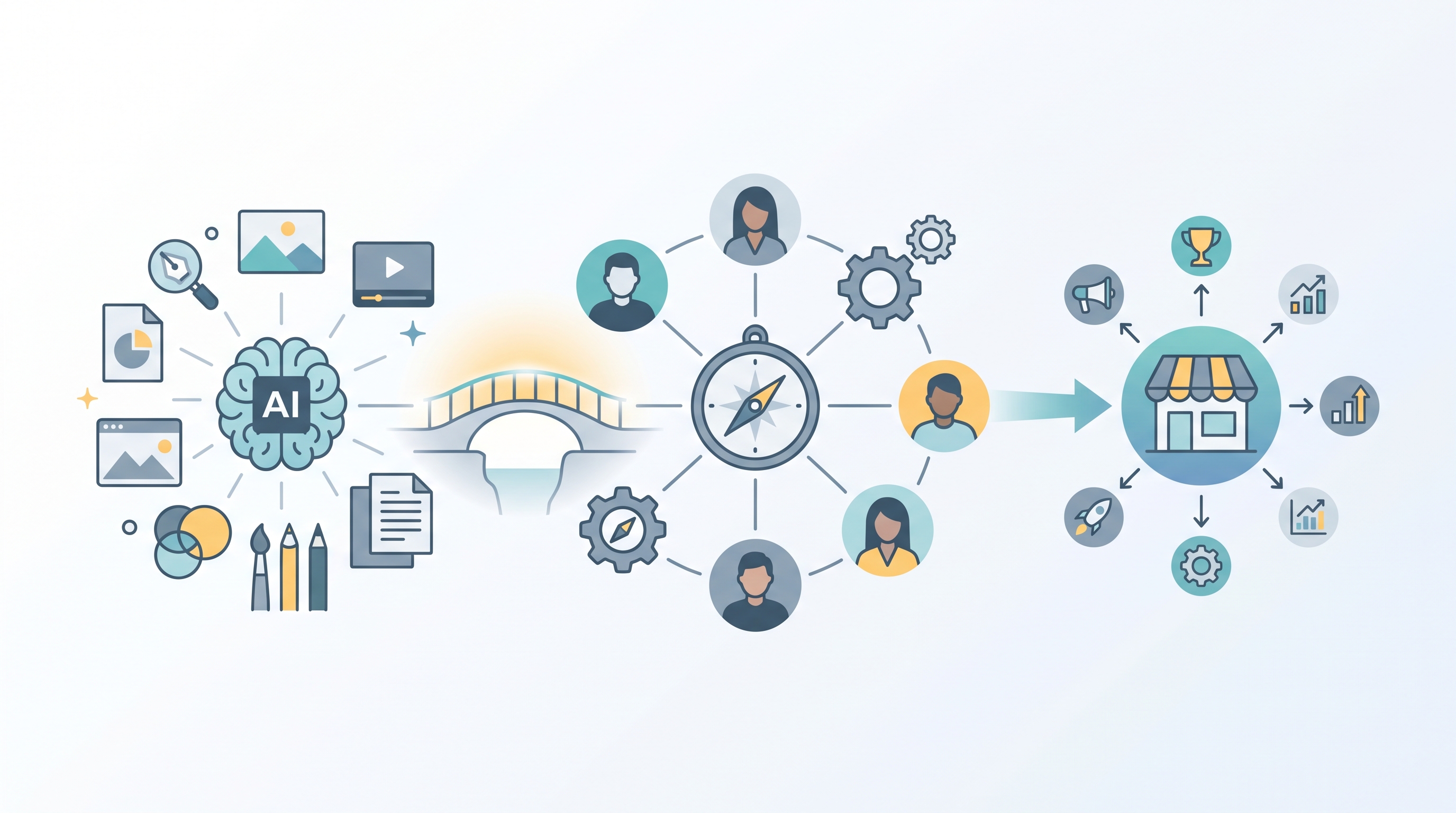
Small business owners face a persistent tension: marketing demands consistent, professional content, but hiring a full creative team is expensive and slow. AI Design has emerged as a concrete solution to one side of that problem — automating the creation of on-brand graphics, social visuals, and promotional assets without requiring a designer on staff. When you combine those capabilities with a coordinated virtual marketing team, the result is a workflow that can run largely on autopilot. This guide breaks down how to evaluate your options and what to expect in practice.
What AI Design Actually Does — and What It Cannot
The term gets used loosely, so it is worth being precise. AI Design tools use machine-learning models trained on vast image datasets to generate layouts, select color palettes, resize assets for different platforms, and produce short promotional videos from text prompts or brand inputs. Practically speaking, a small business owner can describe a seasonal promotion, upload a logo, and receive a set of ready-to-publish visuals in under two minutes. Platforms that integrate AI Design natively — such as the design function inside Androva, where the virtual assistant Maya handles graphics and short promo videos — demonstrate how tightly design can be woven into a broader marketing workflow rather than treated as a separate project.
That said, AI Design has real limits. It struggles with highly bespoke illustration styles, nuanced brand photography, and any creative direction that requires genuine human taste and editorial judgment. Think of it as a capable production layer, not a creative director. The businesses that get the most value are those that supply clear brand guidelines upfront and treat AI output as a strong first draft rather than a finished product.
How Visual Content Fits Into a Broader Digital Presence
Consistent visual output matters beyond social feeds. Google's ranking systems increasingly weigh page experience signals, and a website with outdated or mismatched imagery sends subtle trust signals to both algorithms and visitors. Businesses that publish two or three branded visuals per week — across Instagram, Facebook, and email — tend to see measurably higher engagement rates than those posting irregularly. According to HubSpot's 2024 State of Marketing report, posts with original visual content generate roughly 2.3 times more engagement than text-only alternatives. AI Design tools make that frequency achievable without a dedicated designer, but the content still needs to connect to a coherent strategy: the right audience, the right platform, the right call to action.
Choosing Between DIY Tools and a Managed Virtual Team
There are three practical paths for a small business owner evaluating AI-assisted marketing. First, standalone AI design tools like Canva's AI features or Adobe Firefly give you creative control but require you to manage publishing schedules, copywriting, SEO, and ad campaigns separately — which quickly becomes a second job. Second, full-service agencies offer strategic depth but typically start at $3,000 to $5,000 per month, well outside the budget of most independent businesses. Third, virtual marketing teams — services like Androva, which bundles five specialized AI assistants covering social, ads, email, SEO, and design for around $55 per month — sit in the middle ground: done-for-you execution with a human approval step that keeps you in control without demanding your time.
When comparing options in this category, ask three questions. Does the platform handle design and distribution together, or do you still need to copy assets between tools? How does it learn your brand — is onboarding a ten-minute setup or a weeks-long process? And what does the approval workflow look like in practice? A system that produces content you never see is a liability; one that shows you a draft and waits for a single click preserves quality without creating bottlenecks.
Building a Website That Supports Your AI-Generated Content
None of this marketing activity delivers its full value if it points to a weak website. Social posts and email campaigns can drive traffic, but conversion depends on what visitors find when they arrive. A site built with clear structure, fast load times, and content that matches the messaging in your marketing will compound the return on every piece of AI-generated content you publish. If your current site was last updated two years ago, or if it does not reflect your current branding, that is the first gap to close before investing heavily in content volume. Tools that help small businesses build or refresh their sites quickly — many of which now use AI to generate layouts and copy — pair naturally with a virtual marketing team, creating a coherent system from first impression to conversion.
The practical takeaway: AI Design is most valuable as part of a connected system. Evaluate tools not just on what they can generate, but on how well they integrate with your publishing workflow, your website, and your broader visibility goals. Start with a clear brand brief, set realistic approval time aside each week, and measure results over 60 to 90 days before drawing conclusions.